All posts by corey@hardcoreadv.com

Trust Cyalume When the Lights are Out
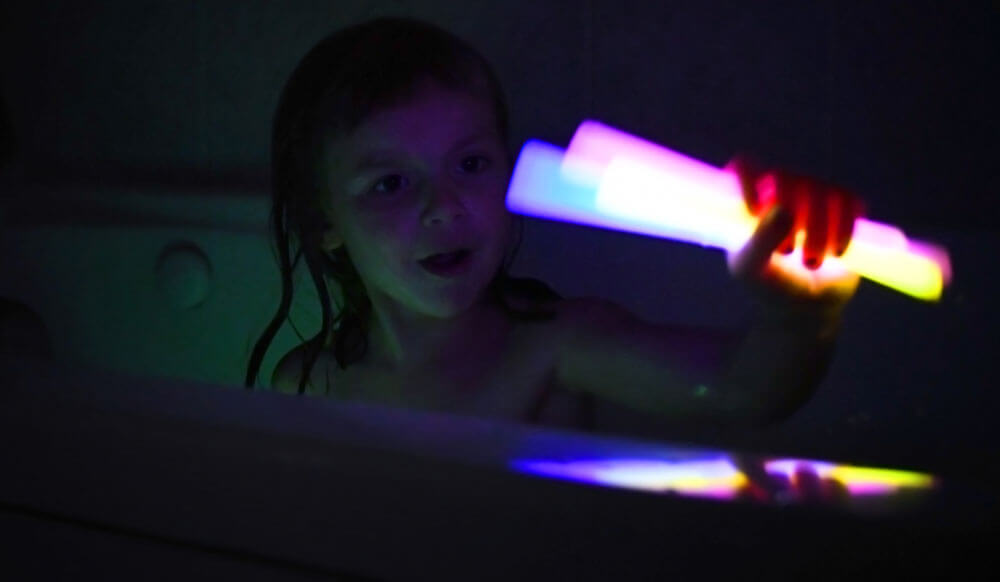
It’s best to always be prepared in the event a natural disaster hits home for you. Power outages are common in extreme situations, which is why backup lighting should always be a top priority for you and your family. Navigating through your home or office in the dark can be difficult, even hazardous. One of safest and most foolproof light sources you can have on hand are glow sticks. Unlike flashlights that rely on batteries to operate, Cyalume snaplights are dependable and offer guaranteed light in a moment’s notice with just one snap.

Here are a few ways you can be prepared with Cyalume when the power is out:

Illuminate Rooms | Hang light sticks around your doorknobs, entryways or access points in your home or place of refuge. Having the ability to create markers around these areas will make navigating through them easier while you wait for your power to return. Besides being able to navigate the area easily, it’s importance to know where your entry and exit points are in the event of immediate evacuation.

Keep Track of Children and Pets | Knowing where your children and pets are during a power outage will give you peace of mind. Hang or clip a snaplight onto your child as well as your pet’s collar, if they have one. This not only lets you know where they are but also will help provide your child with a sense of comfort for having a source of light.

Create a Lantern | Did you know that you can turn a glow stick into a lantern? Activate the light stick and place it into a water bottle or clear plastic bottle you may have laying around. The water will help to disperse the light. The warmer the water is, the brighter it will glow.

When you need guaranteed light, go with the name that’s trusted by our military and first responders around the globe- go with Cyalume.
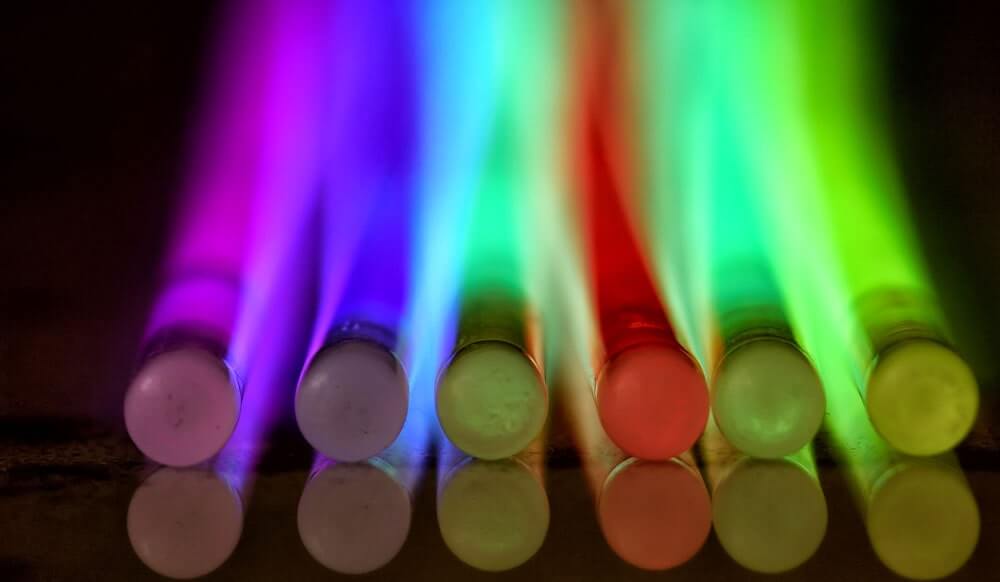
Not All Glow Sticks Are the Same

Our mission is the same today as it was in 1969: to continuously innovate and create the best light source solution for any situation. Military units and first responders trust Cyalume because our products provide light at any time without failure.

Cyalume light sticks are more illuminating and longer lasting than anything on the market and are more dependable than our competitors and other glowsticks you may find online and work for shorter periods of time than Cyalume sticks.

With Cyalume lights sticks, you don’t have to worry about fumbling with batteries and clunky flashlights. You also don’t have to concern yourself with keeping them dry as they are fully waterproof, allowing you to utilize them while underwater. To activate any Cyalume glow stick, simply snap or bend the glow stick and shake it. With our products, you don’t have to worry about any possible leaks. Our glow sticks are nearly impossible to penetrate or break, and all of our Cyalume products are 100% non-toxic so you don’t have to worry about your family or pets being exposed to harsh chemicals.

Our lighting solutions are trusted even in the most dangerous of circumstances around the globe. So, whether you’re planning for an event or you find yourself in a place needing immediate assistance and light, we are here for you. We want to break the cycle on what consumers think when they think of lighting solutions. When it’s dark, let Cyalume light the way.

Brighten Your Halloween with Cyalume

Happy Halloween! We like to stress how useful our light solutions are in extreme situations, but we also want to let you in on how fun they can be during the holidays. Here are a few of our best tricks (and treats) to brighten your Halloween with our Cyalume snaplights this year:

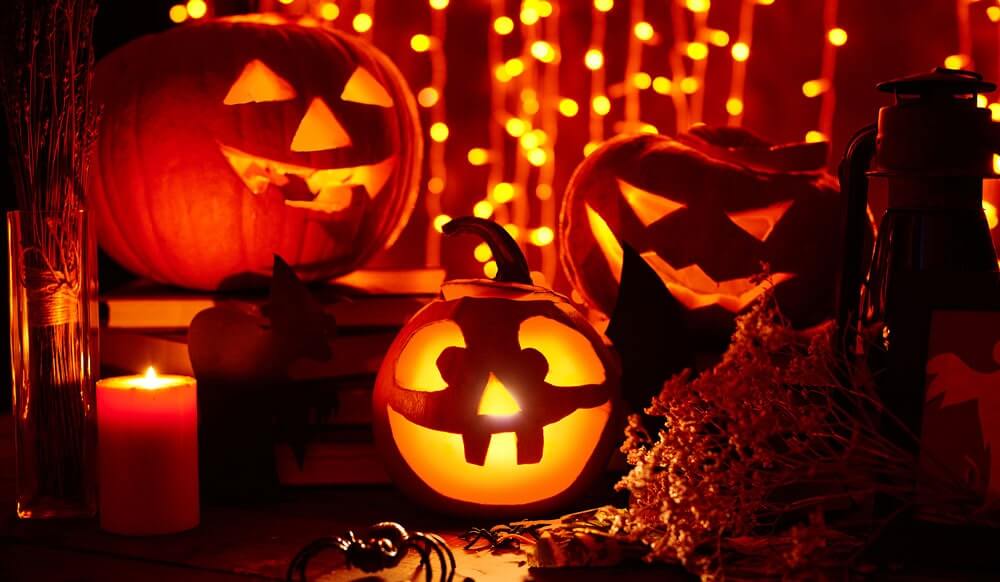
  • Jack – o’ – lantern Lights | Did you carve a pumpkin this year? If so, put a light stick in instead of a candle. This way you won’t have to worry about the risks of it being lit all night. Our glowsticks last for up to 12 hours, allowing you plenty of fun this scary season.
  • Spooky Balloons | This next trick is simple and fun. Go ahead and grab white balloons with our different colored snaplights. Crack your glowsticks and place them inside of the balloons and then inflate. Draw your best ghostly face and hang your creations with tape or string to create terrifying scenes throughout your home.
  • Glowing Arachnids | Another great Halloween decoration you can make is a glowing spider. Grab a few foam balls (you can purchase these at almost any craft store) and attach a few snaplights for legs. Hang these creations from your trees and see how many neighbors you can scare.
  • Glowing Punch | If you’re planning a Halloween party, grab a few snaplights of your choice, snap and then toss a few in your punch bowl, cooler, or pitchers. Our lights sticks are 100% non-toxic so you don’t have to worry about any adverse reactions. You’ll be creating a fun visual that is sure to be remembered with this trick.

At Cyalume, we want you to have a safe and fun holiday season. The last thing you need to worry about is candles in your jack-o’-lanterns or faulty lighting. Whether for safety or for excitement, go with the snaplight you can trust.

What Cyalume Light Sticks Can Do for You

At Cyalume, we’ve been creating lighting solutions for the military and various government agencies for the last 40 years. In doing so, we have created the best light sticks on the market.

Learn how you can best utilize our products below:

Mark Your Location | It’s best to be prepared for any situation, especially the unexpected. Using a light stick to mark your location can be crucial during rescue attempts. Activate a light stick and place it in an open area on the ground or, if you’re in water, place one in a bottle so that it stays afloat near you. To ensure you’re always in reach of our light sticks, keep a few stored in your home, car, or outdoor gear so you’re ready in any event.

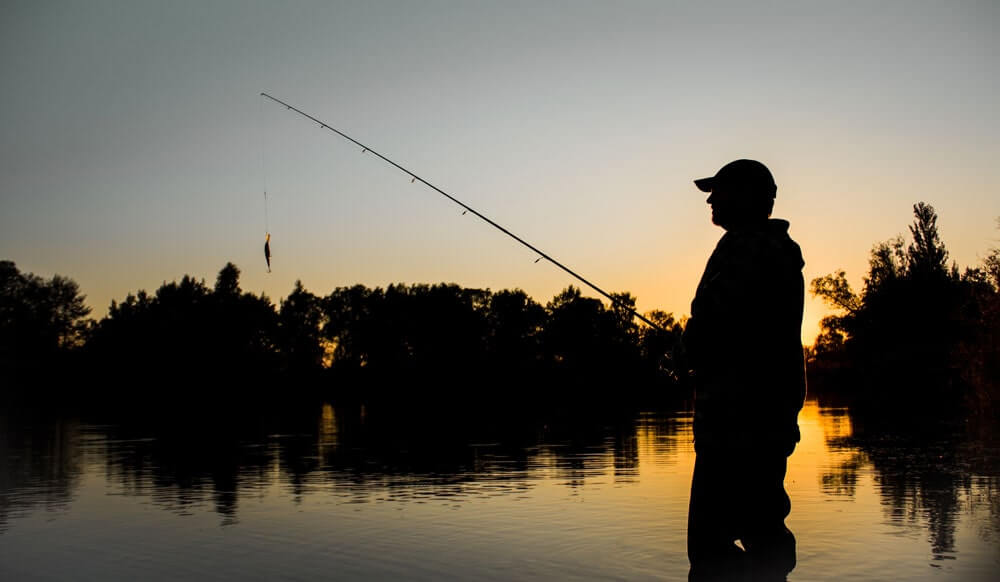
Take Them Fishing | You may have heard that fish are attracted to light. Next time you’re fishing, try attaching a light stick to your line to increase their activity.

Outdoor Activities | If you’re going on a hiking trip or any other outdoor activity, it’s a good idea to have light sticks ready on hand. At sundown, activate the light stick(s) for everyone in the group. You’ll be able to follow and keep track of your group members without an issue.

Mark Hazards | Not only can our light sticks be used for better visibility, they also work very well as hazard markers. If you are hiking on a trail and happen upon a hazard, activate a light stick and mark the spot so you’ll remember to avoid it on your way back as well as help warn anyone else who may be behind you.

Whether you’re preparing for a disaster or just getting supplies ready for a weekend adventure, we’re here to keep you alight every step of the way.

Diving with Cyalume Light Sticks

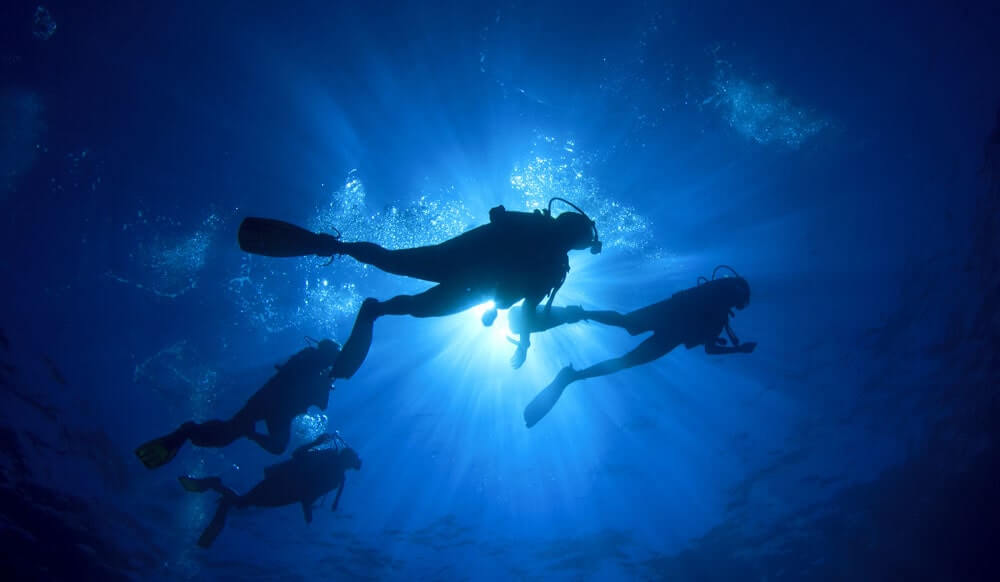
At Cyalume, we’ve developed the world’s best light sticks that can be used for any situation, including diving. Diving opens us up to a whole new world, but sometimes that world can be dangerous. When diving, especially as a group, it’s important everyone remains in visual contact with one another.

For those of us who have gone diving with a partner, being separated from them can be a terrifying experience. With a 6” SnapLight fastened to your first stage, where you attach your regulator to your tank, and you’ll will be more visible to your diving partners, helping to avoid being separated.

Our Cyalume light sticks can last up to 12 hours, keeping your whole dive team glowing without worry. Unlike unreliable flash lights and blinding LED’s, our light sticks offer a steady bright light that won’t distract you or your group but can be seen without the risk of shorting out or breaking unexpectedly.

Not only can you keep a light stick strapped to your gear, but you can also keep one near for communication. Use green for spotting and tagging, and, in emergencies, use a color like orange or red to quickly warn your group of any hazards.

Diving is a thrill, but you should always take the proper precautions to ensure you’re visible.

For over 40 years we’ve been providing the most advanced, trusted, and top of the line light sticks on the market, all while being non-toxic and environmentally safe. Learn more about how our light sticks can help you or your business today by calling 888.858.7881!

4 Ways to Use Glow Sticks on Your Next Camping Adventure

Glow sticks are becoming more popular amongst campers and outdoor enthusiasts because of their dependability as well as versatility. Glow sticks are more dependable than flashlights, lanterns, and candles. Having glow sticks on hand also helps lighten your pack as you won’t need to carry around batteries.

Because we want you to have a fun and safe camping experience, here are 4 ways to use glow sticks to keep you and your group out of harm’s way:

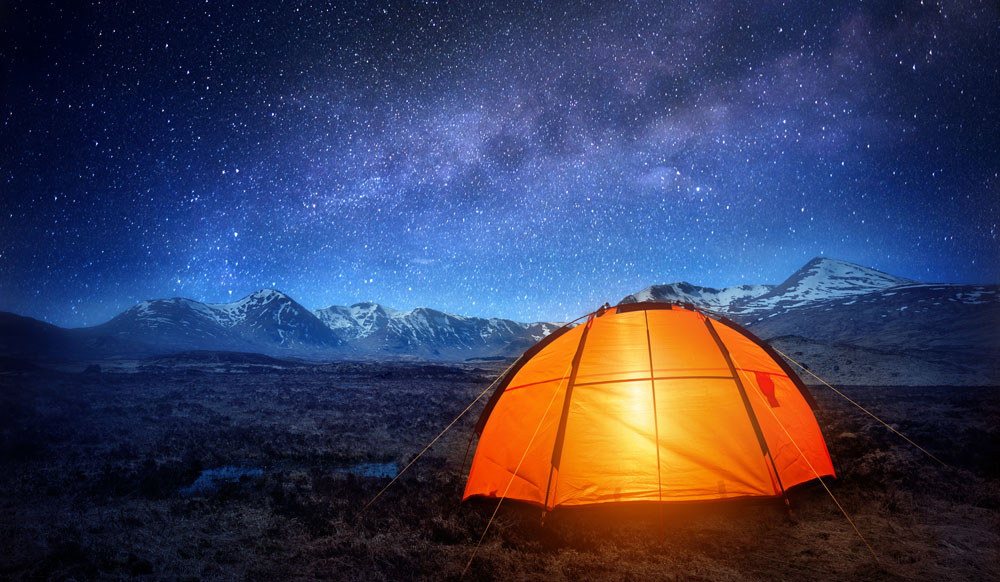
1. Hang your glow sticks from your tent. This will provide you with light throughout the night and into the morning. This way, you won’t have to rely on battery operated tools like flashlights or lanterns.

2. Mark hazardous areas that could cause injury, like a branch or a hole. It will be easier for you to notice these areas on your way back to camp as well as notify any group members hiking behind you.

3. Mark a path to the bathroom so you can easily find it. As the sun starts to set, be sure you have a clear way to the bathroom so it is easily accessible for you and your group.

4. Keep track of your animals with a light stick attached to their collars. This way, you will be able to easily locate them as the sun begins to set.

What to Do After a Natural Disaster

Lately we’ve been bringing more awareness to the common natural disasters that we often face, but it’s also a good idea to talk more about what to do for yourself and your family in the aftermath of a disaster.

Remember the most important thing to have in place is an emergency kit. If you already have one, it never hurts to double check to make sure you’re stocked up on the correct essentials. Remember to replace items that may have expired. Also, it’s critical you discuss an escape route with your family ahead of time. Ask local officials about city shelters in the event they are needed.

You know what to expect by now for hurricanes, wildfires, and tornados and the destruction they can cause. But what do we do after a disaster? Depending on the natural disaster that you deal with, the answer may vary, but let’s start with the basics:

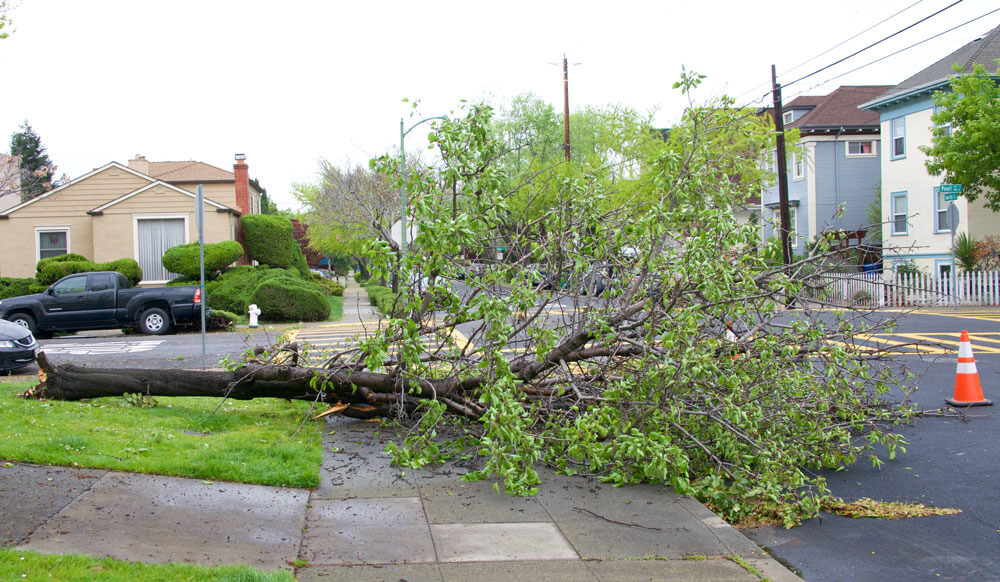
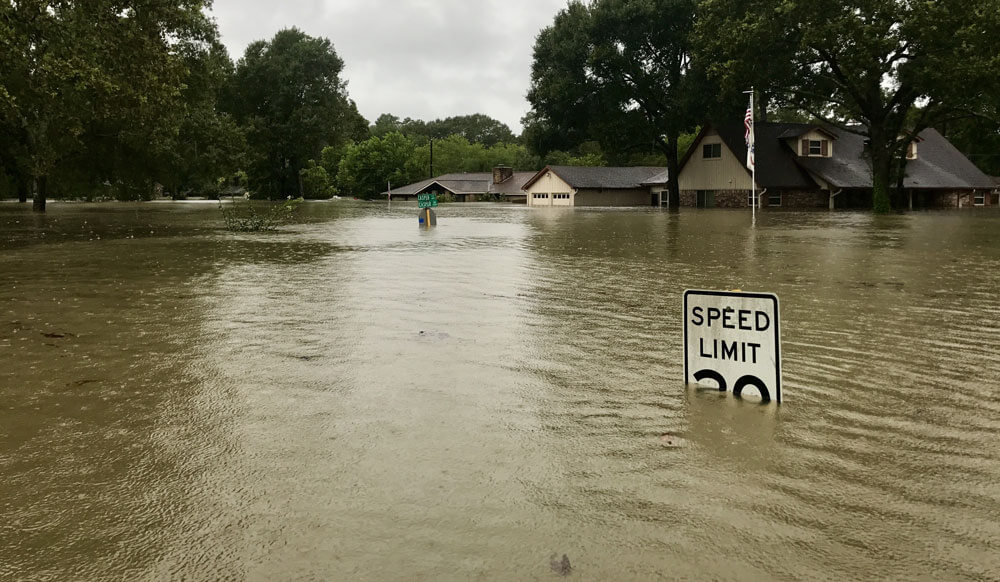
If you do go outdoors, stay away from all live wires, downed powerlines, and any destruction or debris. Many times, in the aftermath of these disasters, injuries and even fatalities can occur when precautions aren’t taken. If your family has to leave the area, make sure you are listening for information from city officials. Often during and following disasters there is a curfew in effect. If you’re allowed to be out, be careful about any debris blocking the roadways and don’t drive down flooded streets. If you have any family or friends in a safe area and need to get to them, figure out through authorities first if its accessible from your location or if city officials have deemed an evacuation route.

If you need a place to wait out the storm or to stay at afterwards, look for a shelter near you. Check locally today to see what your city has to offer in the event of a disaster.

And remember, take precautions after a disaster to ensure you and your family is safe. Not everything can be planned and prepared for, but we can take steps to avoid any further damage a disaster.

The Most Common Natural Disasters and How To Prepare

While there are many natural events that fall under the “Natural Disaster” category, there are only a handful in particular that are the most common ones you’ll have to prepare for.

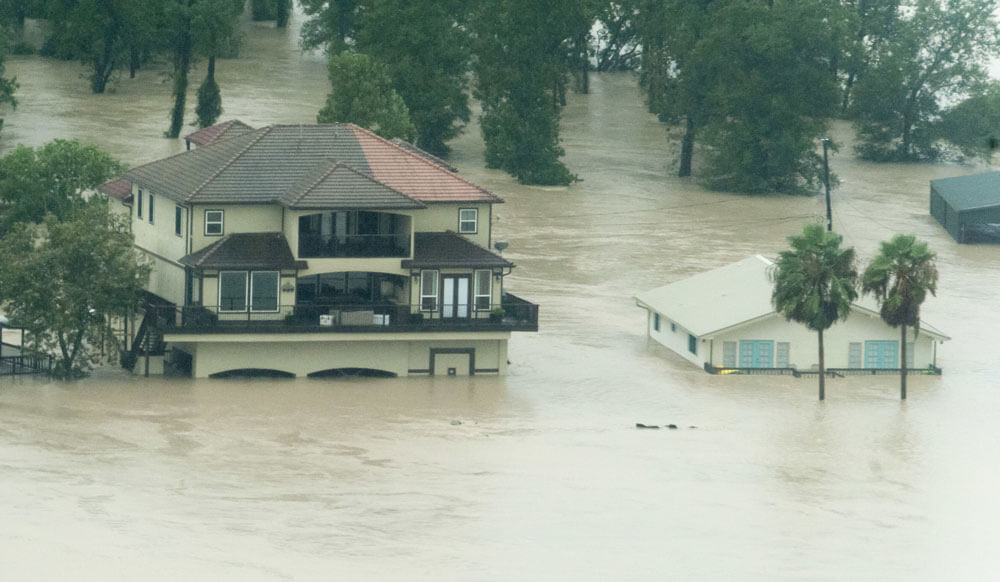
1. Hurricanes| Hurricanes are massive weather cyclones that form in the Atlantic, and near the equator in the surrounding area; I.E. Caribbean. Warm water acts as fuel for hurricanes, helping them to form into storms capable of extremely high wind speeds and torrential rain. Hurricanes are rated on scale of intensity from 1-5 and can cause severe damage to your home and community, depending on the storm’s strength. Recently, with Hurricane Harvey in 2017, we’ve seen that these storms can carry wind gusts over 200 mph.

In the event that your area is threatened by a hurricane, always be prepared. Stock up on water, dry food, and health supplies. Purchase a radio and save your phone’s battery, if possible. Put shutters over your windows as objects and debris can become dangerous if thrown around. Also, be sure you have glow sticks, candles, flashlights or any other sources of light in the event you lose power. Make sure you avoid any downed powerlines, and take caution following the events of a hurricane.

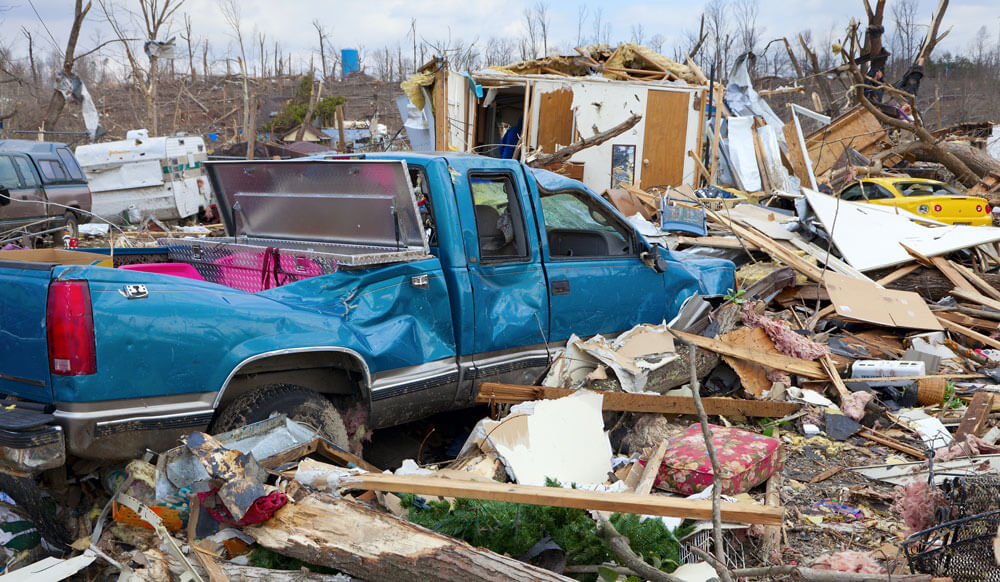
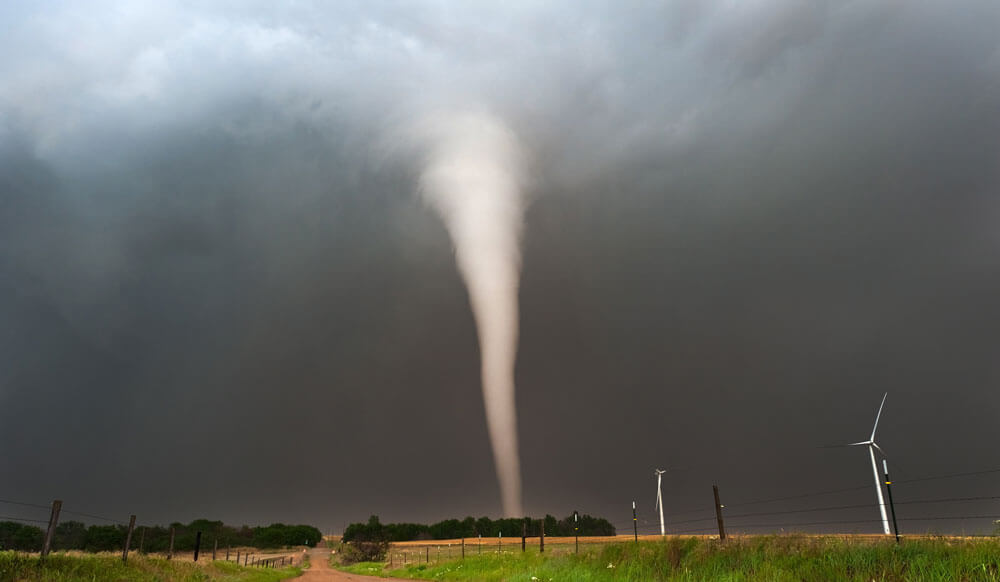
2. Tornados | Tornados can be some of the most violent natural disasters because of their unpredictability. Condensed funnels of water vapor and air extend to the ground where they can reach winds as extreme as 300 mph. Tornados can easily tear apart one home while leaving another standing without harm. Unlike Hurricanes, Tornados don’t usually give you any time to prepare. They are random, and they strike fast.

If you are under threat of a tornado, take immediate precautionary steps. If you can, be sure to stay clear of all windows and close to the ground while covering your head and neck. If available, go to a basement or storm cellar. In the aftermath of a Tornado, be in contact with your local authorities and have access to the NOAA Weather radio station for more information. Watch out for dangerous debris, power lines, and other issues that could put you in harm’s way, and wear gloves and thick soled shoes during any cleanup.

3. Wildfires | Wildfires can spread fast and furiously through areas leaving you little time to prepare. Unlike hurricanes and tornados, you cannot bunker down in your home if there is a threat of a wildfire nearing your location. Wildfires can start with the smallest spark, usually in the western states, due to increased dryness and droughts. When these fires start they can quickly become life threatening and are often uncontrollable.

In 2018, in California and Colorado, we can see just how aggressive and severe the damage of wildfires can be. Wildfires are dominating some of the nicest areas, causing billions of dollars in damage and causing thousands of people to be displaced. Wildfires can burn everything in their path and leave a trail of destruction. Don’t wait until the last possible second to leave. Create an emergency plan if you live in a susceptible area and know what to do in the event you have to evacuate.

These three natural disasters are some of the most volatile that we get in the western hemisphere. Take action, get prepared, and be ready before it’s too late.

The Do’s and Don’t During a Natural Disaster

You know by now that natural disasters can happen at a moment’s notice.

Even if you get a chance to prepare, what are you supposed to do during a disaster? Natural disasters vary, so how to react during them is not always the same. Here’s what you should and shouldn’t do during these events:

Earthquakes:

The Do’s
• Move away from all glass and breakable objects
• Identify safe places
• Hide under a strong desk or table, and cover your head and neck
• Be sure to stay in a secure location until you are told it’s safe
• If needed, locate your emergency kit
• Stay in communication with local authorities and disaster responders
The Don’ts
• Move around or try to outrun the situation
• Drive during an earthquake
• Go near any live wires or debris
• If outdoors, do not go into a building until it is inspected and deemed safe

Wildfires:

The Do’s
• Remove flammable materials from your home’s exterior
• Shut off gas systems
• If time persists, soak your roof and plants near your building or home
• Shut all windows and doors
• If you are being forced to evacuate, follow directions of city officials and local authorities
• Stay connected to the news and try to monitor the situation
• If you’re surrounded, try to stay close to a body of water, stream, or less flammable area such as the backside of a mountain

The Don’ts
• Go near a live wildfire
• Attempt to control a wildfire
• Return home until deemed safe
• If you’re in a vehicle in a directly affected area, do not leave the engine on or circulate outdoor air. Get low in the vehicle with the engine off and cover yourself with a blanket.

Hurricanes:

The Do’s
• Hurricanes can usually be tracked, so prepare accordingly
• Gather supplies and make sure your emergency kit is stocked
• Install your storm shutters
• Store loose exterior items in a safe location
• Sterilize the bath tub and fill it with water
• Be aware of the area you live in and any chance of flooding
• Evacuate if told to
• Stay inside and away from windows
• Wait until it’s over and officials deem it is safe to leave your home
• Take photos for insurance

The Don’ts
• Avoid all electrical equipment
• Do not go in a body of water
• Do not go near live wires
• Do not run a generator indoors
• Do not go outside during the storm

Tornados

The Do’s
• Get into the basement/storm cellar
• Cover up your head and neck with your hands and arms
• If outside, lie in a ditch and cover up
• Wait until the tornado is totally gone from the area
• If in a car, drive away from the area that is in the path of the tornado
The Don’ts
• Take shelter in a flimsy structure
• Seek shelter under an overpass
• In a building, do not use an elevator
• Stand by or look out of the windows
• Stand next to heavy objects that could fall or drop
• DO NOT attempt to chase or record a tornado

This quick guide will give you and your family a sense on how to properly act during and after these natural disasters.

Not everything can be prepared for, so make sure you and your family are cognizant of everything happening in your home and the affected area before, during, and after these events. Be sure to listen for city officials and responders to see what they are advising, and follow all directions and instructions that they provide.

How to Prepare for a Natural Disaster

Don’t wait for a natural disaster to strike. Get prepared now so you and your family are composed and ready for the moment disaster strikes.

• Store plenty of nonperishable food and water. The last thing you want is to be hungry and dehydrated in the aftermath of a natural disaster. Perishable food can start to spoil within two hours, so store at least three days’ worth of food and water.

• Have cash on hand. If the power goes out in your house, there’s a good chance the surrounding area may be without electricity as well. Make sure you have cash on hand, preferably small bills, in case you are unable to use your credit cards or access an open ATM. It’s important you have the ability to purchase items you may need in the days following a natural disaster.

• Have an emergency contact set up who is not in your location. In the unforeseen circumstance that a natural disaster leaves your area devastated, it’s vital that you have an emergency contact located outside of your location. This way you can have more awareness than what’s happening locally.

• Make a disaster plan ahead of time. We understand not every natural disaster can be planned for ahead of time. The questions is, what do you do when disaster strikes while you’re at work or your kids are at school? Have a disaster plan ready ahead of time, letting your family know how you will act when disaster strikes. Make sure you remember everyone in the family. Your pets need food, water, and supplies as well!

• Have a fully stocked first aid kit. Make sure you look over your current first aid kit and properly restock and supply in case of an emergency. Do your best to make sure you can take care of your family and yourself in the event that local authorities and proper healthcare is unavailable.

These crucial steps can make a difference when a natural disaster strikes. Be ahead of the curve and get prepared now.